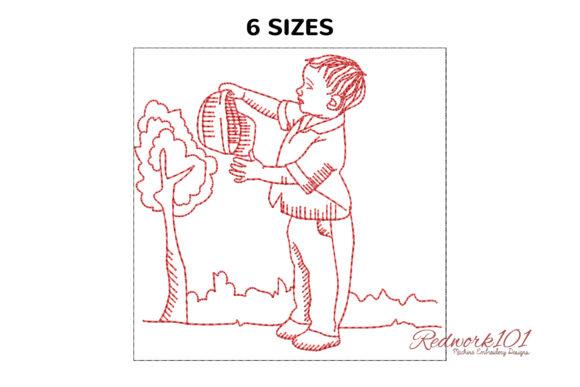
Cute Boy Play with Cap Lineart Design
A Playful, Minimalist Lineart That Elevates Boutique Sweatshirts
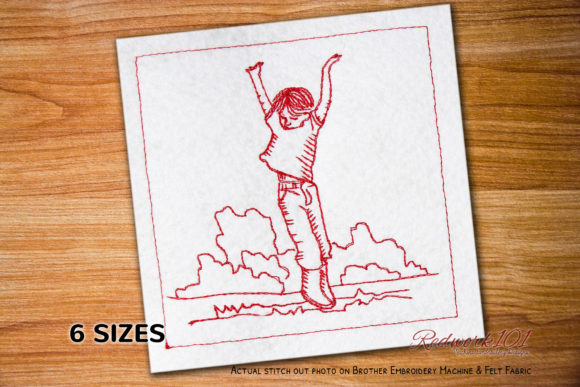
As an embroidery designer who’s developed collections for small clothing brands and Etsy sellers over the past decade, my first impression of Cute Boy Play with Cap Lineart Design is immediate and favorable: it’s clean, expressive, and intentionally uncluttered. The lineart style gives it a hand-drawn charm without sacrificing stitchability — a rare balance in Boys category embroidery files. There’s no heavy fill stitching or dense satin borders; instead, the design relies on confident, fluid outlines that suggest movement and personality. It reads as playful but not childish, modern but not trendy-fragile — exactly the kind of visual tone boutique apparel brands need to stand out without dating quickly.
Sweatshirt & Hoodie Performance: Chest Placement Done Right
Cute Boy Play with Cap Lineart Design shines on neutral sweatshirts and soft pastel hoodies. Its open-line structure avoids the “bulky” look that heavier embroidery designs sometimes create on fleece-backed fabric. When placed at standard chest position (3–4 inches wide), it reads clearly even at smaller scales — critical for youth sizing and petite fits. On oversized hoodies, the design holds its integrity without needing scaling up, which helps preserve stitch clarity. For sleeve accents or back placements, I’d recommend keeping it centered and slightly elevated — the cap’s tilt and boy’s pose naturally draw the eye upward, reinforcing a relaxed, lifestyle-friendly aesthetic.
How It Works Across Apparel Types
- T-shirts: Performs beautifully on midweight cotton and tri-blends — minimal stitch density means less puckering risk and smoother drape.
- Denim jackets: The lineart’s contrast works well against indigo, especially when paired with tonal or contrasting thread colors (e.g., mustard yellow or slate gray).
- Tote bags: Scales elegantly to 5–6 inches wide without losing definition — ideal for handmade product photos and lifestyle mockups.
- Cozy seasonal outfits: Looks intentional on cable-knit cardigans or sherpa-lined hoods where texture contrasts with precision line work.
What to Watch For: Practical Embroidery Notes
This isn’t a “drop-in-and-stitch” file — it rewards thoughtful execution. Because it’s lineart, thread color choice directly impacts mood: warm neutrals (oatmeal, terracotta) lean artisanal; crisp white or navy reads more contemporary. Always test on scrap fabric matching your final garment — especially stretchy knits or ribbed cuffs, where line tension can distort curves. The optional box stitch (mentioned in the Creative Fabrica description) is best skipped unless you’re aiming for a framed-art effect; it’s not part of the core design language and can distract from the boy’s gesture.
Stabilizer selection matters more here than with dense fills — a medium-weight cutaway or tear-away works best for sweatshirt embroidery. Avoid lightweight mesh on fleece; it won’t support the long, continuous runs. Confirm hoop size before digitizing adjustments — some versions may require a 4x4 or larger, depending on intended scale. And crucially: review the licensing details on Creative Fabrica before using Cute Boy Play with Cap Lineart Design for commercial embroidery products — it’s approved for finished goods, but always verify scope.
Brand Value & Customer Connection
For small shop owners and Etsy sellers, this design quietly strengthens brand identity. It doesn’t scream — it invites. That subtlety builds buyer trust: customers recognize craftsmanship in restraint. Unlike cartoon-heavy motifs, Cute Boy Play with Cap Lineart Design feels intentional, curated, and cohesive across product lines — whether stitched on a hoodie, printed on a mockup, or featured in an Instagram story. It supports visual consistency without demanding uniformity; pair it with simple typography or botanical accents and you’ve got a signature look.
In customer engagement terms, it performs well in lifestyle photography — the lineart translates cleanly to digital mockups and printable mockups, and its simplicity ensures legibility even in thumbnail-sized Etsy listings. Parents and gift buyers respond to its warmth and authenticity, not just cuteness — a distinction that lifts perceived value beyond typical machine embroidery design expectations.
Where It Fits Best — and Where to Pause
Use Cute Boy Play with Cap Lineart Design confidently on flat, stable surfaces: chest panels, tote bag fronts, jacket backs, and knit beanie sides. It’s ideal for small-batch custom apparel where attention to detail signals care. Avoid placing it across high-stretch zones like side seams or curved waistbands unless you’ve tested stabilization thoroughly. Tiny lettering isn’t part of this file, so no concerns there — but if you plan to add names or dates nearby, leave ample breathing room. On dark garments, opt for high-contrast thread (ivory, light gray, or pale mint) rather than relying on underlay alone.
Final Thoughts for the Working Embroidery Designer
Cute Boy Play with Cap Lineart Design isn’t flashy — and that’s its strength. In a market saturated with busy, over-digitized motifs, it offers quiet confidence. It respects fabric, honors stitch limitations, and aligns with how today’s boutique brands communicate: thoughtfully, gently, and with intention. Whether you're building a seasonal capsule collection or refreshing a best-selling hoodie style, this Creative Fabrica embroidery file earns its place in your working library. Just remember: test, stabilize, contrast, and confirm. Then let the lineart speak for itself.