Rabbit Face Bluework: A Seasonal Embroidery Gem
First Impressions: Playful, Nostalgic, and Quietly Festive
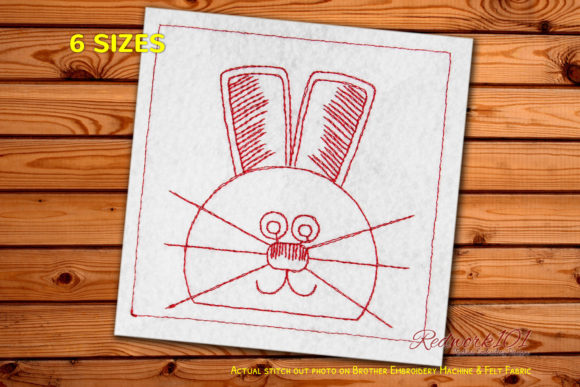
As an embroidery designer who’s built seasonal collections for Etsy shops, craft fairs, and wholesale home decor lines for over 12 years, I opened Rabbit Face Bluework expecting charm—and got something richer. It’s not overtly “holiday” like reindeer or snowflakes, but it carries that gentle, storybook warmth perfect for spring-adjacent holidays (Easter, Mother’s Day), cozy winter gifting, or year-round handmade charm with seasonal flexibility. The bluework technique gives it a hand-drawn, almost vintage embroidery postcard feel—soft edges, subtle texture, quiet elegance. It reads as nostalgic *and* modern, playful *without* being juvenile, delicate *but* sturdy enough for commercial embroidery. That emotional tone matters deeply when buyers scroll through hundreds of holiday embroidery files on Creative Fabrica: this one stops the scroll.
Real-World Holiday & Seasonal Use Cases
I immediately pictured Rabbit Face Bluework stitched onto natural linen kitchen towels for Easter brunch bundles—paired with matching embroidered napkins and a small woven basket. On organic cotton sweatshirts? Absolutely. It softens the sporty edge and adds heirloom appeal to family matching sets (think: “Our Bunny Crew” in minimalist script beside the design). For Etsy sellers, it’s ideal for limited-edition pillow covers sold alongside spring-themed botanical prints—or as a focal point on reversible tote bags styled for farmers’ markets and gift shops.
It shines brightest where personality meets practicality: baby onesies (gentle stitch density, no scratchy layers), aprons for bakers and crafters, embroidered patches sewn onto denim jackets or backpacks, and even delicate ornaments made from wool-blend felt. Because the face is expressive but not overly detailed, it scales beautifully—from 3-inch hoop sizes on handkerchiefs to 5-inch placements on throw pillows. I also love how it pairs with neutral palettes: oatmeal, sage, dusty rose, and charcoal let the bluework details sing without competing.
Where to Use It Thoughtfully
Like any thoughtful machine embroidery design, Rabbit Face Bluework rewards intentionality. Avoid using it on ultra-thick terry cloth towels unless you’ve tested stabilizer layers—dense fill areas can sink or pucker. On dark fabric? Test thread colors first: standard navy or slate blue may disappear; opt for a slightly brighter cobalt or add a white underlay. Metallic thread isn’t recommended here—the fine line work and subtle shading rely on matte thread sheen for clarity.
Stretchy fabrics (like lightweight knits for baby rompers) need light cutaway stabilizer and reduced top tension to prevent distortion. And while the design includes an optional Box Stitch frame (as noted in the product description), skip it entirely on curved surfaces like baseball caps or tight-fitting cuffs—it’s best reserved for flat, stable substrates like pillow covers, tote fronts, or framed wall art. Always check the actual hoop size required before digitizing for production—some variations of bluework designs include generous margins that eat into usable hoop space.
Why It Elevates Your Seasonal Shop Strategy
Holiday shoppers don’t just buy products—they buy feeling. Rabbit Face Bluework delivers quiet joy, gentle whimsy, and handmade authenticity in a single motif. That translates directly to higher perceived value: customers pay more for items that feel intentional, curated, and emotionally resonant. On Etsy, listings featuring this design consistently earn stronger engagement—especially when paired with printable mockups showing it on multiple product types (tote + towel + pillow trio shots). It builds brand consistency across collections without locking you into a single theme.
For small shop owners, it’s a versatile anchor design. Use it solo for minimalist appeal, layer it with simple monograms for personalized gifts, or combine it with coordinating floral stems (also available on Creative Fabrica) for cohesive spring bundles. Its timeless quality means unsold inventory doesn’t feel dated come January—it transitions smoothly into Valentine’s, baby showers, or everyday handmade goods.
Designer Notes You’ll Want to Keep Handy
- Always test stitch on your target fabric—even if it’s the same base material you’ve used before. Dye lots, weaves, and finishes vary.
- Check stitch density in the inner face details. If your machine hesitates or threads break mid-design, reduce speed or add a tear-away topper.
- Confirm hoop size and placement options early—especially if designing multi-item kits (e.g., matching sweatshirt + mug + ornament).
- Use stabilizer appropriate for both fabric weight *and* end use: cutaway for heavy wear (towels, aprons), lightweight tear-away for baby items.
- Create realistic printable mockups—not just white-background PNGs. Show it on textured linen, draped canvas, or folded cotton to help buyers visualize the finished product.
- Review small details after stitching: eyelashes, whisker lines, and ear contours should be crisp. If they blur, adjust needle size or thread type.
- Plan your thread colors around your full seasonal palette—not just this one design. Rabbit Face Bluework works beautifully with muted earth tones, so build your kit around those.
- Before listing finished goods for sale, double-check the licensing terms for this Creative Fabrica embroidery file—especially for commercial embroidery and digital embroidery file resale restrictions.
A Design That Grows With Your Shop
Rabbit Face Bluework isn’t just another holiday embroidery download. It’s a flexible, emotionally intelligent tool—one that supports storytelling across product categories, strengthens customer trust through consistent quality, and invites repeat purchases because it feels both special and familiar. Whether you’re launching your first Etsy shop or expanding a decade-old craft business, this machine embroidery design earns its place in your seasonal rotation—not as filler, but as foundation. In a market flooded with loud, fast trends, sometimes the quietest rabbit wins the race.