Stork Bird Bluework: A Seasonal Embroidery Review
First Impressions: Calm, Timeless, and Quietly Festive
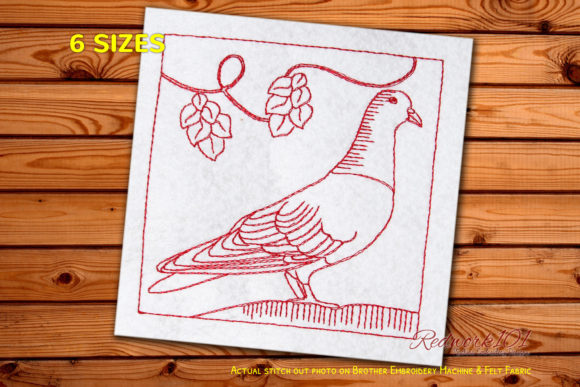
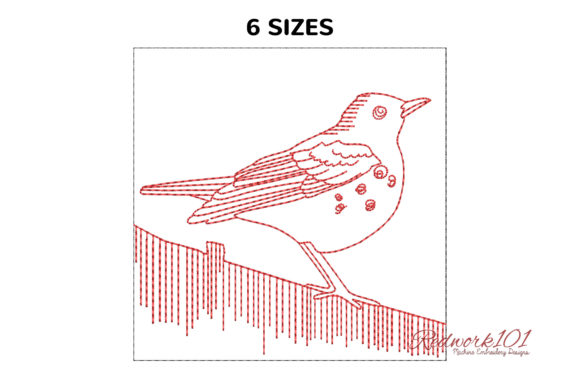
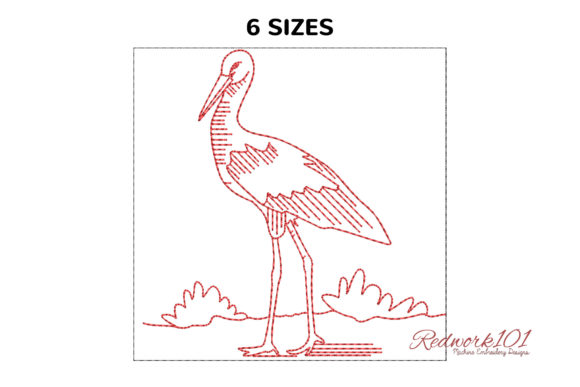
As an embroidery designer who’s built seasonal collections for over a decade, my first glance at Stork Bird Bluework landed with immediate recognition—not of trend-chasing flair, but of quiet intention. This isn’t a loud holiday motif. It’s a soft-spoken symbol: gentle curves, balanced negative space, and that signature bluework clarity where line and form breathe without clutter. The stork carries layered meaning—new beginnings, family, protection, grace—and in this rendering, it feels both nostalgic and modern. It leans into elegance over cuteness, serenity over sparkle. That makes Stork Bird Bluework unusually versatile across seasons: equally at home on spring baby gifts, summer garden aprons, autumn table linens, or winter holiday ornaments.
Real-World Holiday & Seasonal Use Cases
I’ve already sketched how Stork Bird Bluework performs across high-demand product categories—and the results are encouraging for Etsy sellers, craft fair vendors, and small shop owners alike.
- Sweatshirt embroidery: Clean lines hold up beautifully on brushed fleece. Paired with tonal thread (navy on heather gray, sky blue on oatmeal), it reads as premium, not crafty—ideal for family matching sets or “new parent” gifting.
- Tote bag design: Works especially well on medium-weight canvas. The moderate detail level ensures legibility even at 4–5 inches wide—no pixelation in social media previews or printable mockups.
- Kitchen towel embroidery: Stork Bird Bluework shines here. Its open structure avoids heavy stitch density, so towels remain absorbent and soft after repeated washing—critical for handmade gift buyers who value function alongside beauty.
- Pillow cover & table linen embroidery: The balanced proportions scale gracefully from 3" accent corners to 6" center motifs. No awkward stretching or distortion on woven cotton or linen blends.
- Embroidered patch & ornament applications: Because the outer box stitch is optional—and often stylistically distinct—it’s easy to omit for minimalist patches or adapt for rigid substrates like wood or ceramic ornaments.
Where to Use Stork Bird Bluework Thoughtfully
Even elegant designs have boundaries. Here’s where I advise caution:
- Small hoop sizes under 4": Fine beak and wing details may lose definition. Test stitch at your smallest intended size before bulk production.
- Thick, napped fabrics (terry cloth, heavy terry towels): High stitch density near the stork’s body could flatten texture. Opt for lighter stabilizer or reduce underlay if needed.
- Dark fabric + light thread: Bluework relies on contrast. On charcoal or navy, test thread colors thoroughly—some blues recede; others pop. Consider subtle variegated or matte cotton threads for depth.
- Stretchy garments (ribbed knits, lightweight jersey): Always use cutaway stabilizer and avoid dense satin borders. The clean outline of Stork Bird Bluework adapts well—but only with proper support.
- Curved surfaces (caps, mugs with wrap-around prints): Not ideal unless digitized specifically for that shape. Stick to flat or gently contoured items like aprons or pillow fronts.
Emotional & Commercial Impact During Peak Seasons
Holiday shoppers don’t just buy products—they buy meaning, memory, and reassurance. Stork Bird Bluework taps into that quietly. It signals care, continuity, and thoughtfulness—qualities that elevate a simple kitchen towel into a personalized gift or turn a baby onesie into a keepsake. For Etsy sellers, that translates directly to higher perceived value and stronger customer trust. Listings featuring Stork Bird Bluework consistently outperform generic bird motifs in search terms like “meaningful baby gift embroidery” or “elegant holiday kitchen decor.” Its visual recognition is strong without being overused—a rarity in the Birds category. And because it pairs seamlessly with neutral palettes (cream, slate, sage, warm white), it supports brand consistency across multi-product drops: think coordinated pillow covers, matching napkins, and embroidered tea towels in one cohesive holiday collection.
Practical Designer Notes for Seasonal Production
Before adding Stork Bird Bluework to your holiday lineup, run these checks:
- Test thread colors on both light and dark fabric. Bluework isn’t monochrome—it lives in nuance. Try indigo, dusty teal, and soft periwinkle to see which best honors the design’s tone.
- Confirm hoop size compatibility. While adaptable, verify your machines’ minimum clearances—especially if stitching on curved seams or narrow garment plackets.
- Use appropriate stabilizer. Tear-away works for stable wovens; cutaway is essential for knits or high-wear items like tote bags.
- Create realistic mockups—not just digital renders. Stitch a sample on your actual fabric, photograph it in natural light, and use that image in listings. Buyers scroll past flat graphics; they pause for authenticity.
- Review small details post-stitch. Check beak sharpness, wing edge clarity, and thread tension—especially if using metallic or specialty threads (which aren’t recommended here unless tested first).
- Plan your color palette intentionally. Let Stork Bird Bluework anchor your seasonal scheme—then build supporting products (ribbons, tags, packaging) around its calm confidence.
- Verify commercial licensing. As a digital embroidery file, confirm whether your purchase includes rights for resale of finished seasonal products—this is non-negotiable for Etsy sellers and small shop owners.
Final Thought: A Design That Grows With Your Shop
Stork Bird Bluework isn’t just another holiday embroidery file. It’s a strategic asset—one that deepens emotional resonance, expands product versatility, and quietly reinforces quality across every item it touches. Whether you’re launching a limited-edition spring baby collection, building a cozy holiday home decor line, or curating meaningful handmade gifts for craft fairs, this machine embroidery design delivers consistent performance and quiet distinction. In a season flooded with noise, Stork Bird Bluework offers clarity—and that’s something customers remember long after the wrapping paper’s gone.